Skip to content
Restore Clinic
Book a Consultation

Hablamos Español

Warm natural light across a collarbone and shoulder

Treatments

Treatment designedaround the skin —

not the procedure.

Eight restorative modalities, with scar restoration, stretch mark restoration and scalp micropigmentation as the signature specialties. Which one is right depends entirely on what the treatment area needs.

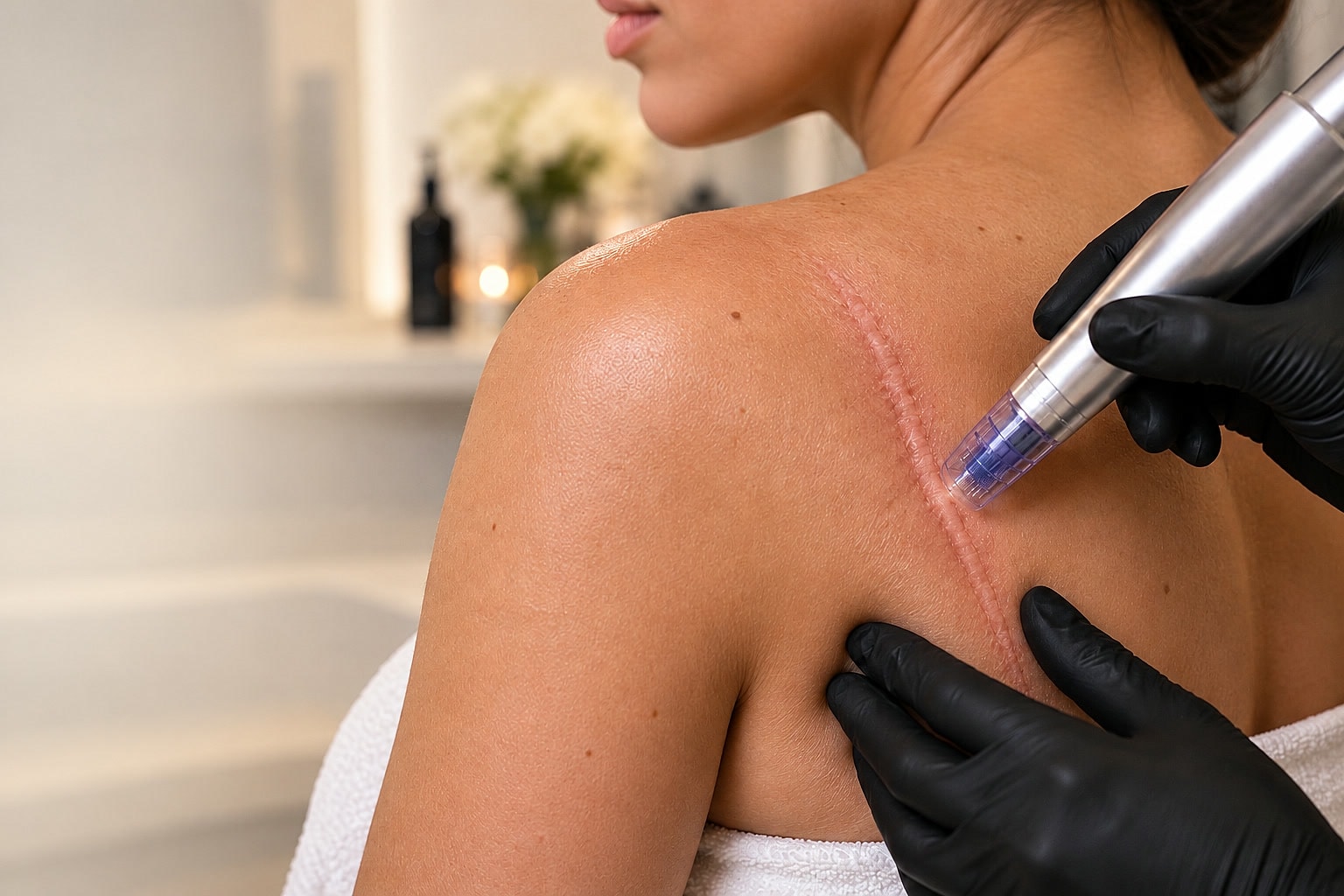
A practitioner using a collagen-induction pen to treat a surgical scar on a client's shoulder
Signature Specialty

01 — Scar Restoration

Scar Restoration & Camouflage

Treatment begins by assessing the scar's texture, color and overall condition. No two scars behave the same way, so no two plans look the same.

Depending on the individual scar, the restoration plan may include collagen-induction or targeted skin-revision techniques to address texture, followed by custom paramedical pigmentation when appropriate to visually blend remaining color differences with the surrounding skin.

The goal is not simply to cover a scar — it is to determine what the skin needs first.

Best for
Mature surgical, trauma, burn and self-harm scars
Approach
Skin revision, collagen induction, paramedical pigmentation
Sessions
Determined at consultation
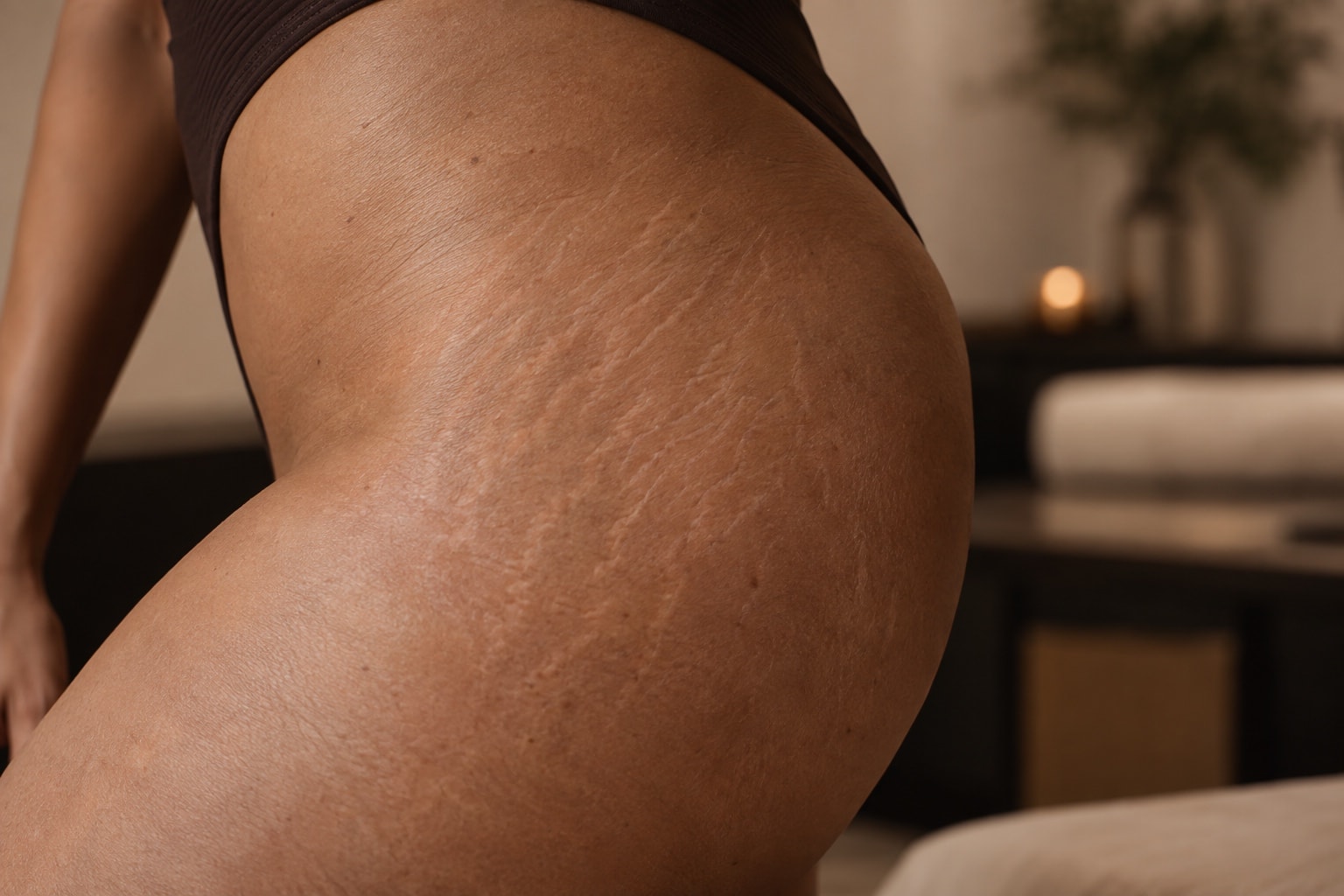
Close view of stretch marks on a client's hip and thigh in soft, warm light
Signature Specialty

02 — Stretch Mark Restoration

Stretch Mark Restoration & Camouflage

Stretch marks change over time. Some settle into a silvery, textural line; others hold a color difference long after the skin has healed. Both respond to different tools.

Depending on the characteristics of the stretch marks, treatment may include inkless collagen-induction techniques, custom paramedical camouflage, or a combination approach to create a softer and more even appearance.

Assessment always comes first — we look at how the marks sit within the surrounding skin before recommending a direction.

Best for
Mature stretch marks on the abdomen, hips, thighs, arms
Approach
Inkless collagen induction, paramedical camouflage, or both
Sessions
Determined at consultation
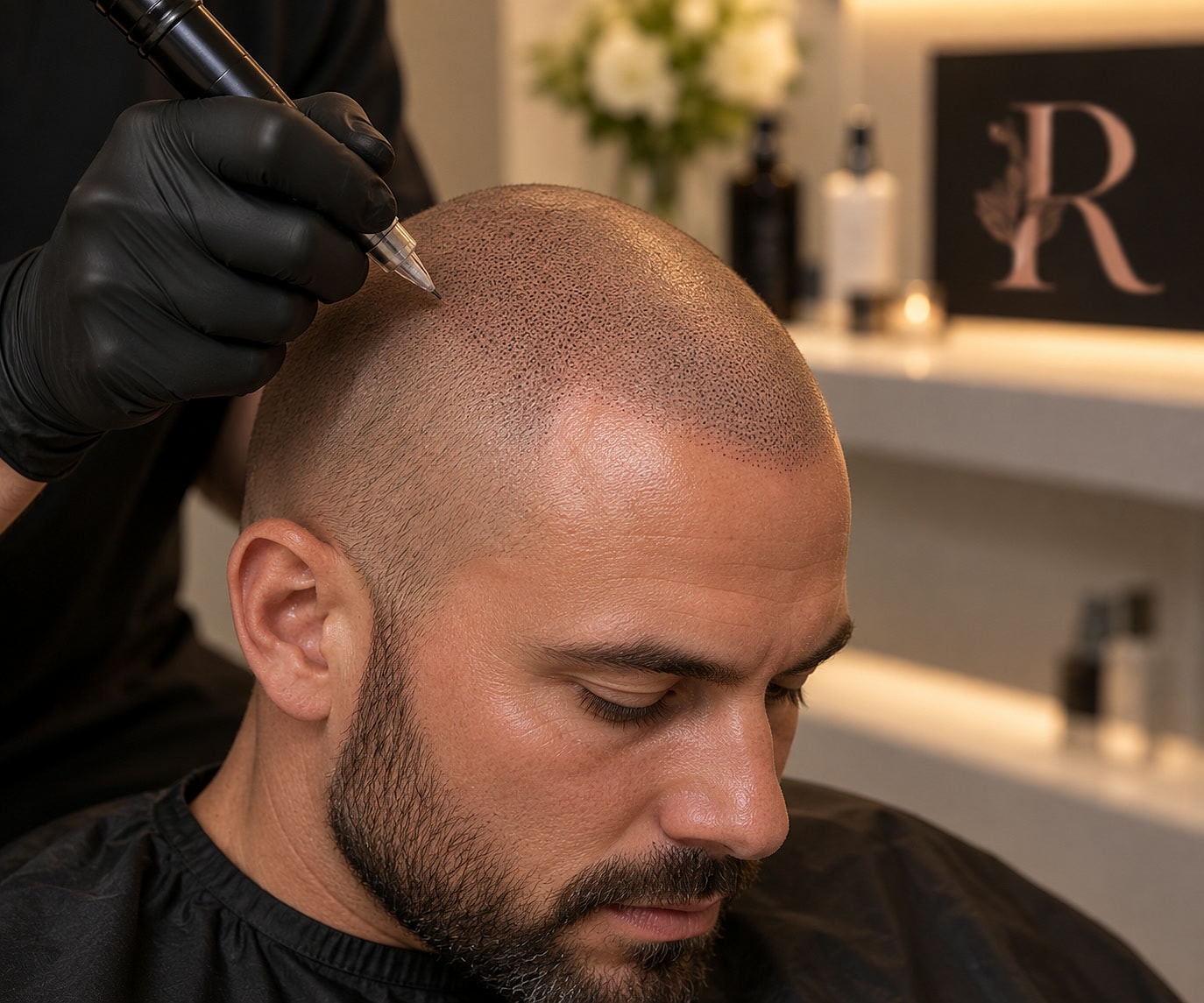
A practitioner applying scalp micropigmentation to create the appearance of hair density
Signature Specialty

03 — Scalp Micropigmentation

Scalp Micropigmentation (SMP)

Fine, layered deposits of pigment are placed across the scalp to replicate the look of closely cropped hair follicles, building the appearance of density where hair has thinned or receded.

SMP is a distinct modality from scalp microchanneling — it changes how the scalp looks using pigment, rather than treating the scalp itself. The two are sometimes used together as part of a broader scalp-restoration plan, but each is assessed and priced on its own.

Best for
Thinning hair, receding hairlines, and scalp scarring
Approach
Layered paramedical pigmentation
Sessions
A planned series, determined at consultation
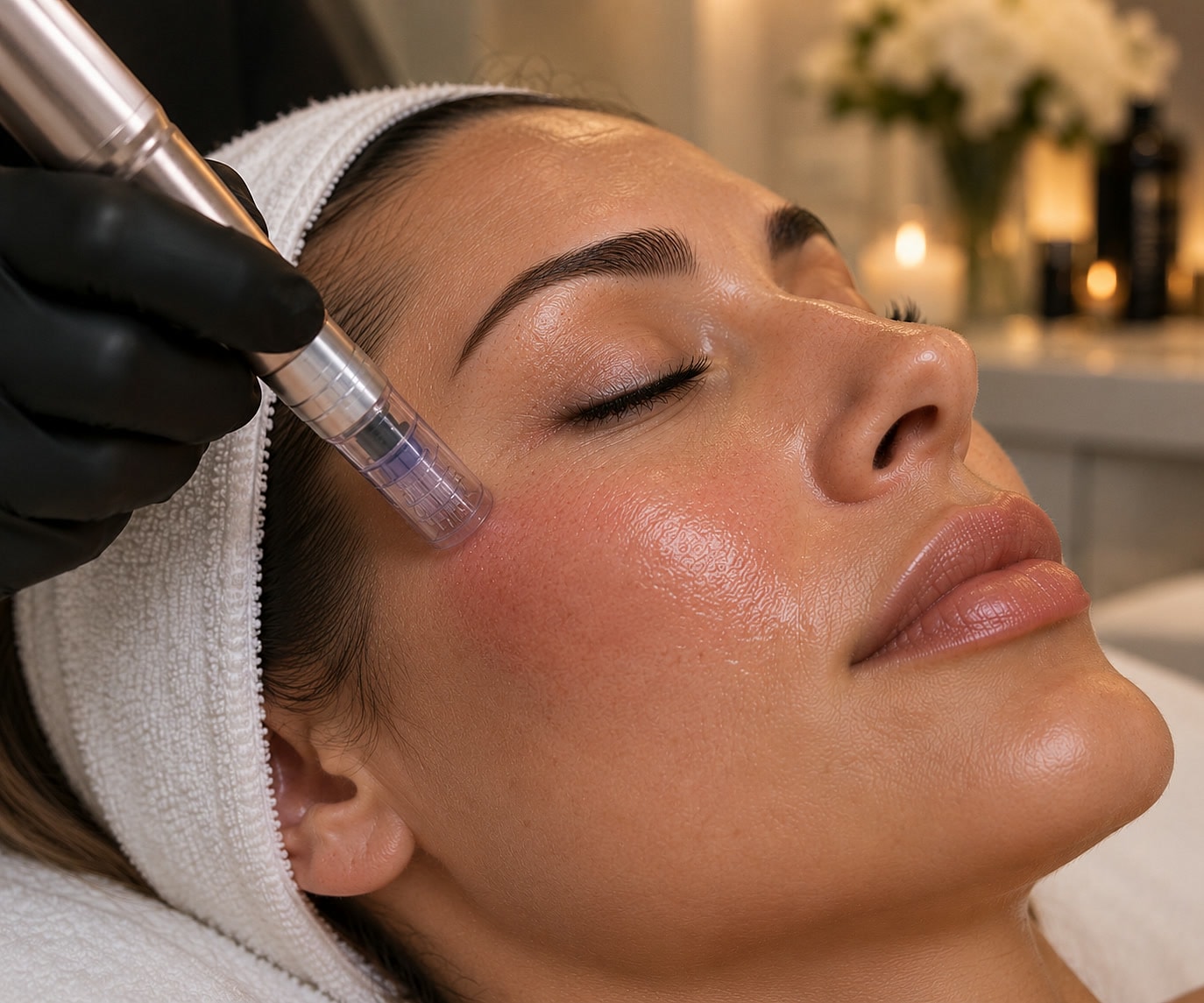
A microneedling pen being used on a client's cheek

04 — Microneedling

Microneedling & Microchanneling

Microneedling and microchanneling create precise, controlled micro-injuries that prompt the skin to rebuild its own collagen — a slow, genuine remodeling rather than a surface effect.

These treatments may be used to improve the appearance of uneven texture, eligible scars, fine lines and overall skin quality. Treatment plans are customized according to the client's skin and individual concerns.

Best for
Uneven texture, fine lines, overall skin quality
Approach
Controlled collagen induction
Sessions
Typically a series, spaced to allow healing
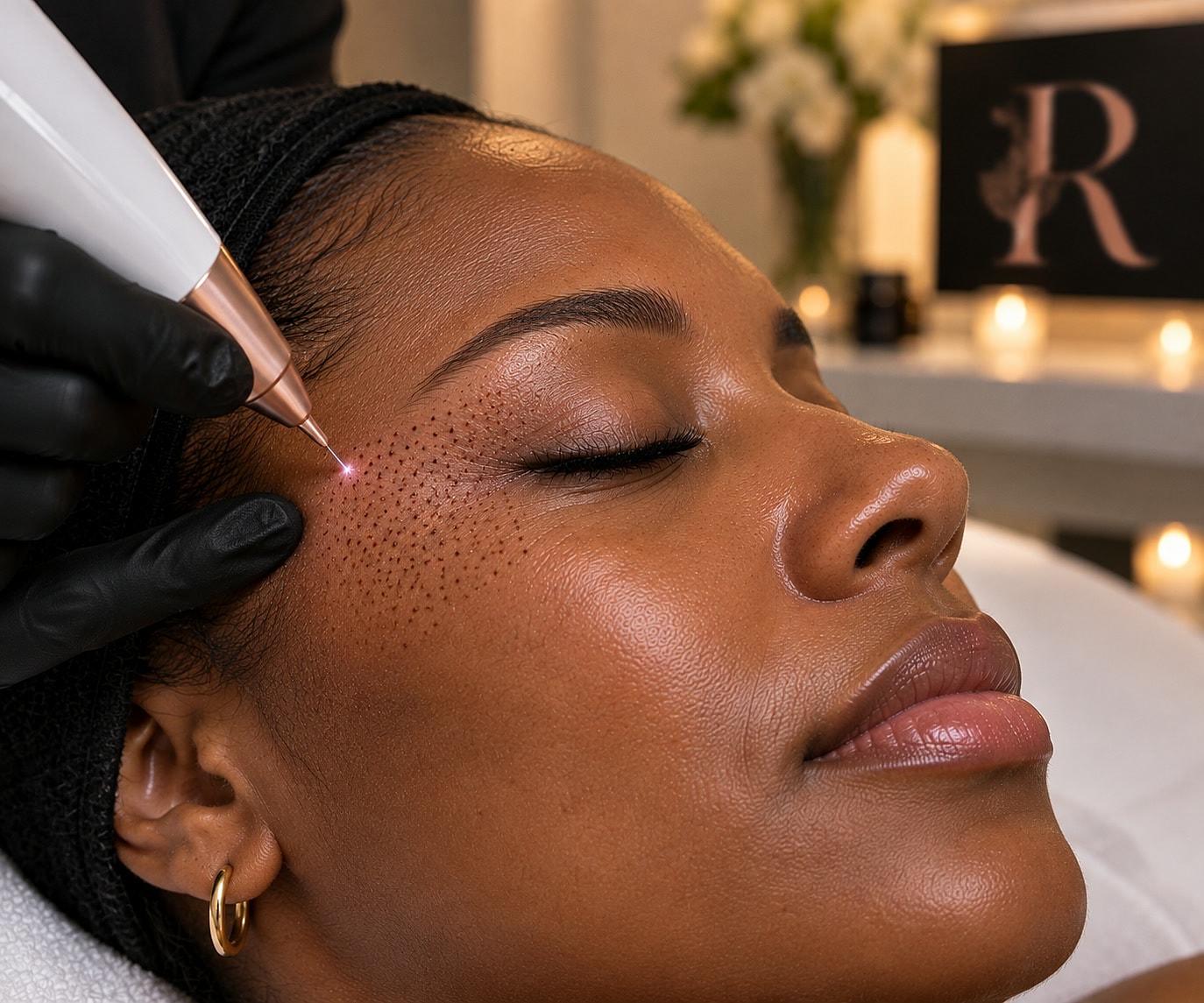
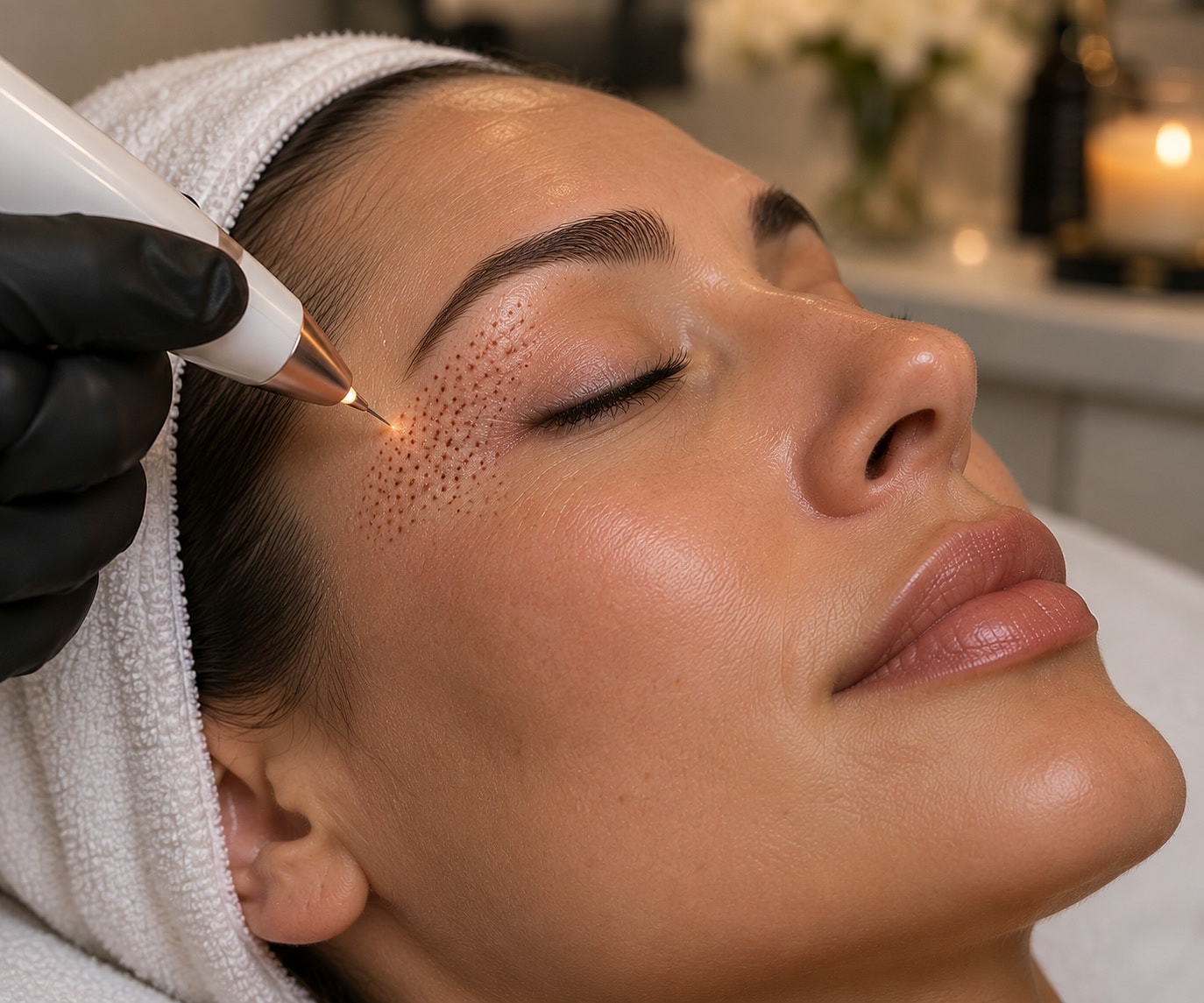
A plasma pen creating fine, controlled treatment points near the eye area

05 — Plasma Skin Restoration

Plasma Skin Restoration

Plasma Skin Restoration is a collection of precision treatments that use plasma technology in different ways depending on the skin concern and treatment goal.

Rather than a single technique, specialized applicators and treatment methods allow plasma energy to be used for skin tightening and fibroblast remodeling, resurfacing and texture refinement, and precise treatment of select superficial cosmetic skin concerns.

For skin tightening, controlled plasma points are created at the skin's surface to produce contraction and initiate a remodeling response. Other plasma modalities use different applicators and techniques to work more broadly across the skin or concentrate treatment on a specific cosmetic concern. The technique, treatment head, intensity, and treatment pattern are selected according to the area being treated and the desired outcome.

Because plasma treatments are not one-size-fits-all, every client is assessed individually to determine which plasma modality — if any — is appropriate for their skin, concern, and treatment goals.

Best for
Skin laxity, fine lines, texture & select cosmetic skin concerns
Approach
Multiple plasma modalities tailored to the treatment goal
Sessions
Assessed individually
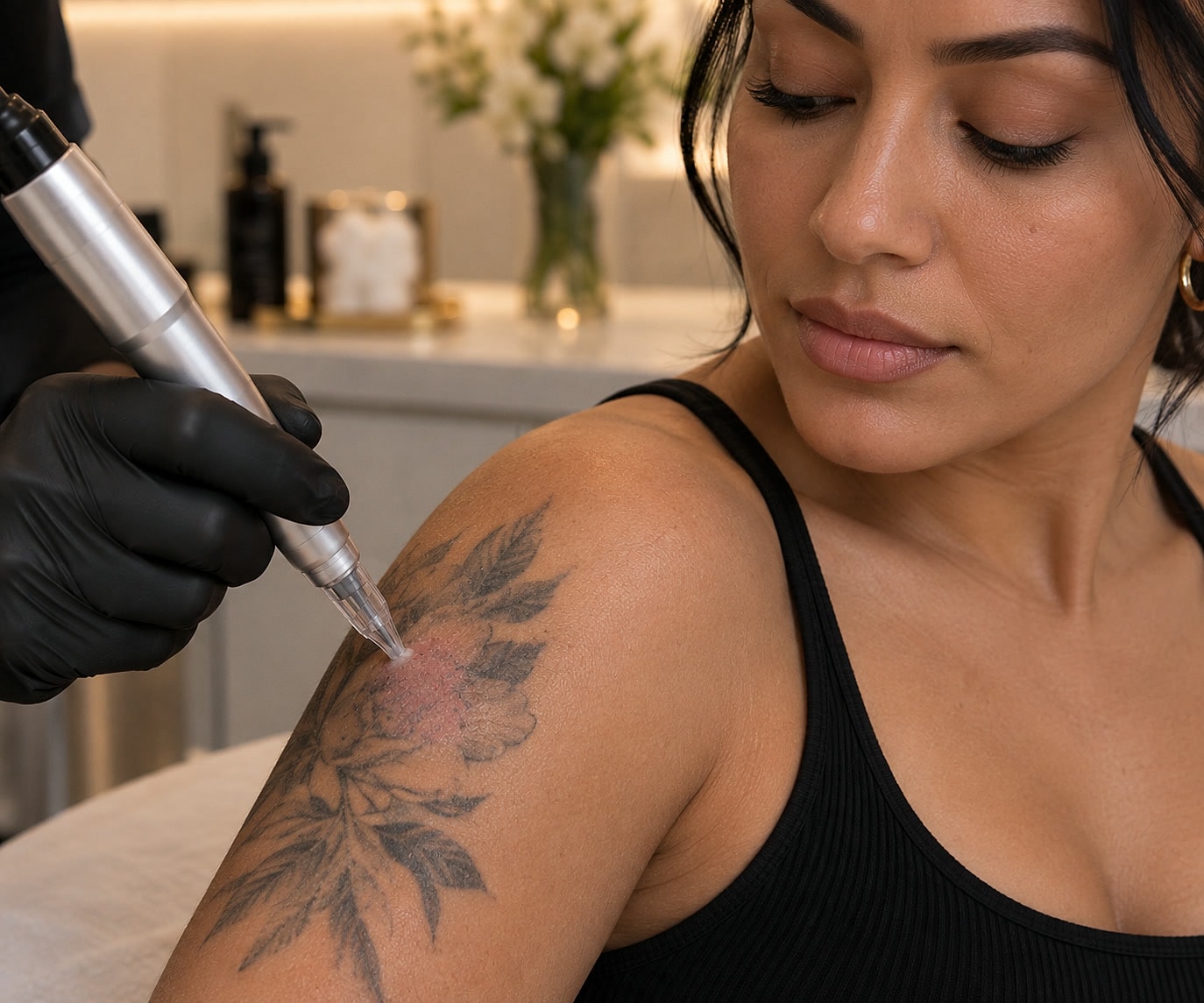
A saline tattoo-lightening device being used on a client's shoulder tattoo

06 — Saline Lightening

Saline PMU & Tattoo Lightening

Saline lightening draws pigment upward and out of the skin over a series of sessions, without the heat of a laser.

It may be appropriate for unwanted, oversaturated, discolored or poorly placed permanent makeup, including previous microblading and powder brows. Multiple sessions may be necessary depending on the pigment and the desired result.

Best for
Old or discolored brows, lip blush, select small tattoos
Approach
Non-laser saline lift
Sessions
Multiple, spaced 8+ weeks apart
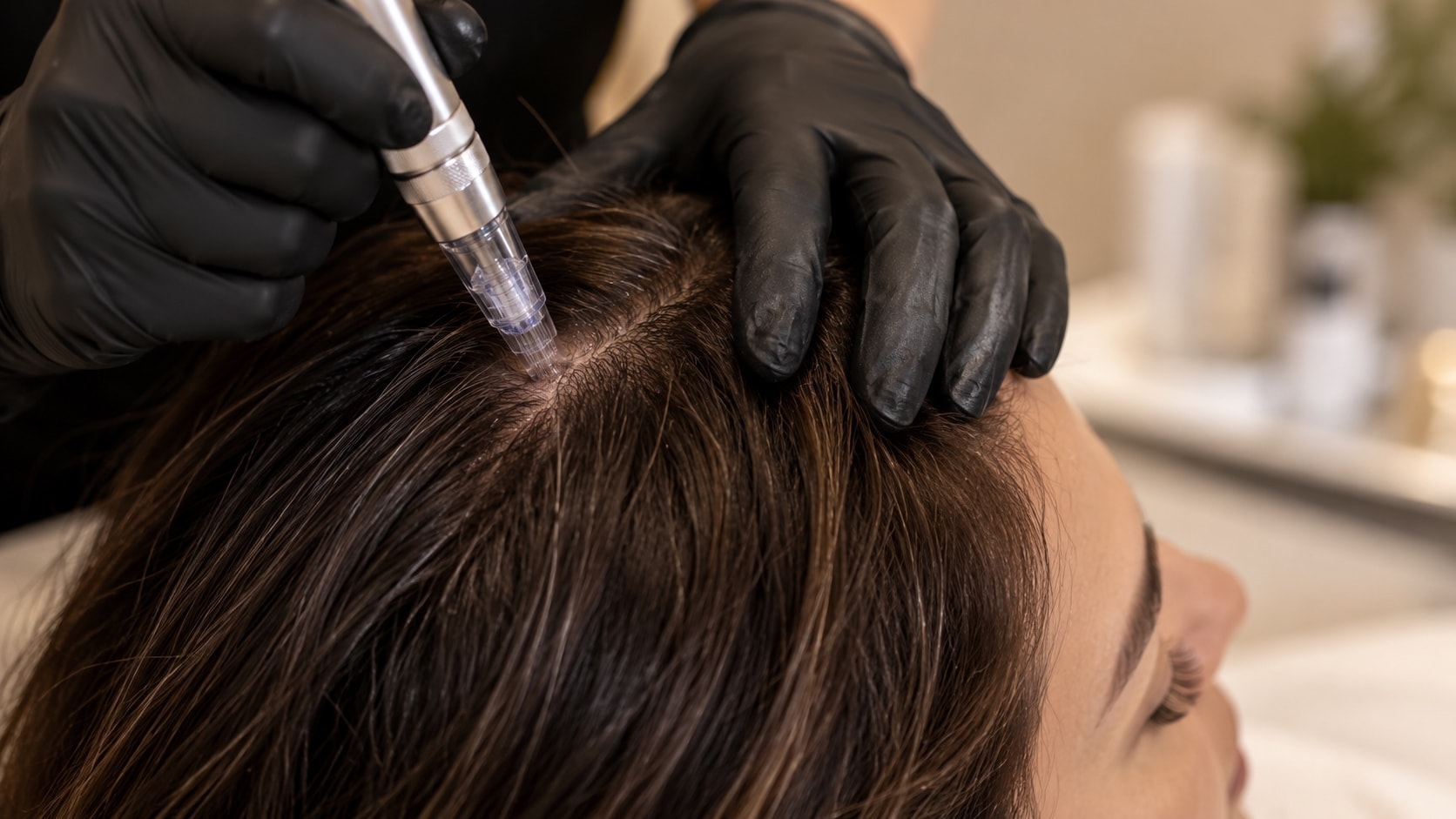
A practitioner in black gloves using a microchanneling pen along the part of a client's hair

07 — Scalp Microchanneling

Scalp Microchanneling

Controlled microchannels are created across the scalp and paired with professional topical serums selected to support the scalp-care protocol.

The treatment is designed to support a healthy scalp environment and improve the appearance of thinning hair. Microchanneling creates a controlled treatment pathway while the accompanying topical serum is incorporated according to the individualized protocol.

Because hair thinning can have many underlying causes, treatment begins with an assessment to determine whether scalp microchanneling is appropriate and to establish a recommended treatment series.

Best for
Scalp health & the appearance of thinning hair
Approach
Microchanneling + targeted topical serum protocol
Sessions
Recommended as a planned series
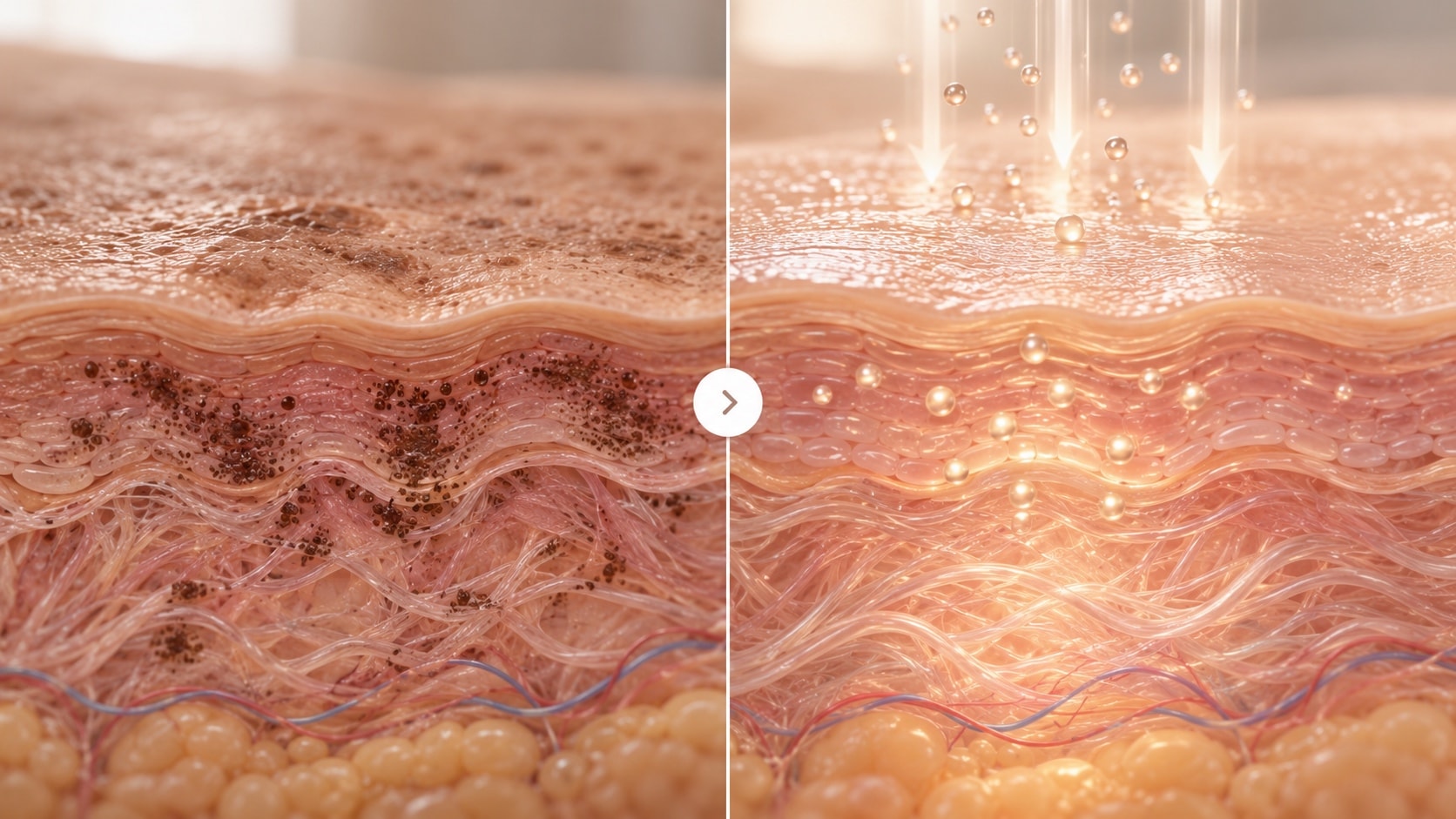
Split cross-section illustration of the skin's layers, with serum droplets infusing the surface on the right

08 — BB Glow / Nano-Infusion

BB Glow & Nano-Infusion

Nano-infusion delivers a tinted, nourishing serum into the very surface of the skin using ultra-fine channels.

It is designed to improve the appearance of dull or uneven-looking skin and leave the complexion looking smoother, refreshed and luminous.

Best for
Dull or uneven-looking complexion
Approach
Cosmetic nano-infusion
Sessions
Often a short series, then maintenance
Close detail of a precision skin treatment in progress

“The goal is not simply to cover a scar — it is to determine what the skin needs first.”

How we assess

How Restore Works

Restoration is a sequence, not a single appointment.

  1. 01

    Assess

    We evaluate the texture, tone, maturity and characteristics of the treatment area — and whether treatment is appropriate at all.

  2. 02

    Restore

    A personalized treatment plan is created using the restorative modality best suited to the concern — rather than forcing every concern into the same treatment.

  3. 03

    Heal

    The skin is given appropriate time to heal and remodel between treatment stages. Restoration is not rushed.

  4. 04

    Reassess

    Results are evaluated before determining whether additional texture treatment, pigmentation or another restorative step is appropriate.

Soft botanical shadows falling across a warm sunlit wall

Find the right approach

Not sure which treatment fits? Neither are most people.

Tell us what you would like to address and we will tell you honestly which modality — if any — is the right place to start.

Hablamos Español

Before You Book

Questions About Treatment

That is what the consultation is for. Two scars that look similar can need completely different approaches depending on their texture, color, depth and age. We assess first, then recommend — rather than fitting you to a service we already offer.

Often, yes. A common plan addresses texture first with collagen-induction or skin-revision work, allows the area to heal and remodel, then reassesses whether corrective pigmentation would help blend any remaining color difference. The staging matters as much as the technique.

Most clients describe these treatments as tolerable rather than painless. Topical numbing is used where appropriate, and we work in sections with breaks. We would rather take longer than rush an area.

Every treatment — and every client's skin — is different. Your experience, healing process and downtime will depend on the service performed, treatment area, treatment intensity and your individual skin response. Some treatments may involve little visible downtime, while others may include redness, swelling, tenderness, flaking, peeling, pinpoint crusting or other temporary changes as the skin heals. Before treatment, your provider will explain what to expect during the procedure, what normal healing should look like, anticipated downtime and when you can expect to return to your usual routine. You'll also receive treatment-specific aftercare instructions to support proper healing. Restore believes you should understand the process — including the downtime — before deciding to move forward.

Pricing depends on the size of the area, the modality and the number of sessions required — which is why we quote after assessment rather than from a list. You will have a clear figure and a realistic session range before you commit to anything.

1230 S Gilbert Rd, Bldg 13, Suite 2, Mesa, AZ 85204